Joe Rasmussen leads the digital side of construction projects at Metroselskabet, where the challenge isn’t just building metro lines: it is ensuring that every piece of information generated across multiple contracts can be validated, exchanged and used for the next century of operations.
After nearly 30 years in construction and a decade pushing Denmark’s infrastructure sector towards digital maturity, Joe Rasmussen has learned something fundamental: becoming truly data-driven has little to do with technology.
“Too often we talk about digitalisation as if it’s about platforms and tools. In reality, the biggest barriers are unclear processes, fragmented ownership, and hoping that software will solve organisational problems.”
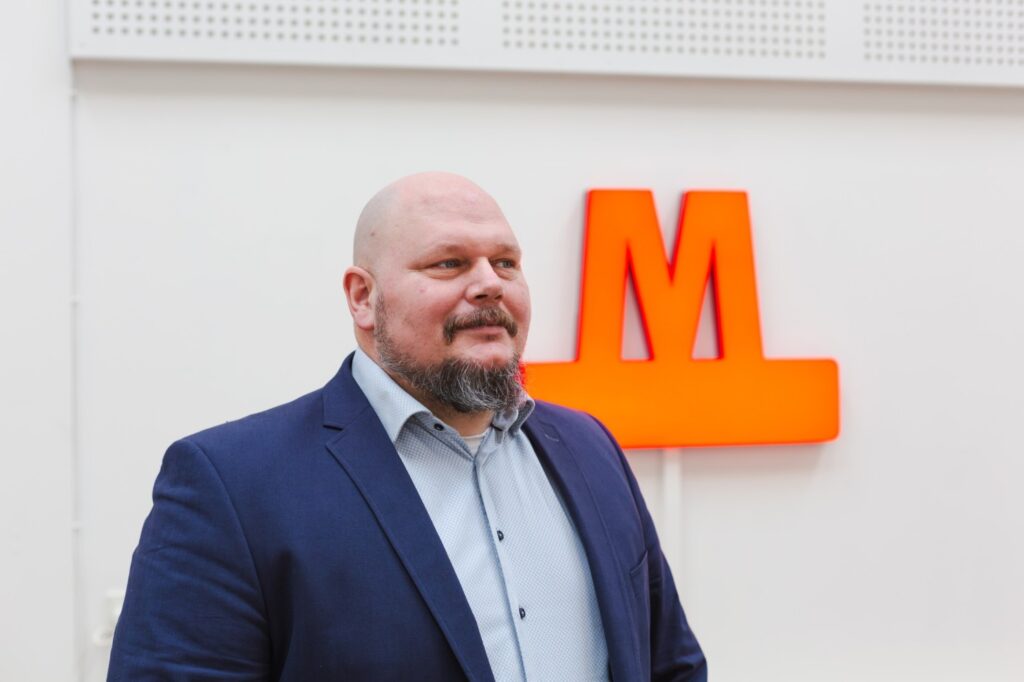
As Head of Information Management & Technologies at Metroselskabet, Joe oversees digital delivery for two major infrastructure projects: M5, a new metro line, and the extension of the M4 line in Nordhavn. Each involves design-build contracts, multiple total contractors and hundreds of smaller agreements. All of them generate data that must flow between parties, be quality-assured by specialists, and eventually support 100 years of operations.
This is not a simple coordination task. It requires rethinking how construction projects generate, validate and preserve knowledge.
The shift from documents to data
Metroselskabet’s journey began seven years ago, when the organisation realised that traditional document exchange could no longer support the scale and complexity of its projects.
“Earlier projects were very much about document management, and that works to a certain extent. But when you start working with data used across contracts, you need to quality-assure it before it comes in. And it’s not just us who validate. We have specialists who need to verify whether the data corresponds to what’s been done in their domains.”
This shift has required new structures, new roles and deeper coordination. Joe’s team ensures data meets structural and metadata standards, but actual content ownership sits with subject matter experts: geologists verify geotechnical data, environmental specialists check environmental information, and asset managers validate operational requirements.
“We haven’t perfected this yet. It’s still a maturity journey.”
Who owns the data?
One of the clearest signs that an organisation lacks data maturity is when no one can answer a simple question: who owns this data?
At Metroselskabet, this challenge is being addressed through governance structures that define responsibility, format and timing for every dataset. The organisation follows openBIM standards and ISO 19650, with detailed classification systems specifying which metadata must accompany each model delivery.

“We’ve created scripts that check whether deliveries meet our requirements. When contractors deliver an IFC model into our system, we can see if it has the required data or what’s missing. They get a report back showing what needs correction.”
But automation alone doesn’t solve the problem. Building a digital culture requires clarity about roles, strong governance and consistent leadership.
“Digital solutions only create value when they work for people. That’s why we focus on usability, clear responsibilities, and creating momentum that everyone can follow.”
The maturity gap
While Metroselskabet and other large infrastructure clients have made significant progress, Joe sees a clear maturity gap across the supply chain.
“I’m fairly sure our first tier can handle this today. But tier two, three, and beyond? They’re not there yet. And we need to bring them along.”
This unevenness creates difficult choices. Pushing requirements too aggressively can exclude capable companies who haven’t yet invested in digital workflows. Lowering standards delays the transition and perpetuates inefficiency.
“We learned this on early pilot projects. We made incredibly high requirements, thinking we could reach that level. But they couldn’t match it. And honestly, neither could we. So we’re learning to push enough to drive progress, but not so much that nobody can follow.”
The point of data
For Joe, data has a concrete purpose: enabling better decisions with greater confidence.
“The best part is that we can make decisions on a more informed basis. We know what we’re deciding about. We also know what we don’t know or what’s still outstanding. That clarity makes it much easier for people to act.”
But Joe is equally clear about what not to do: overwhelm people with information.
“We try not to overload teams. Being specific about where data creates value, and where it just creates noise: that’s becoming crucial.”

Preparing for better tools
Joe is cautious about current AI hype but confident that more effective technology is coming.
“Technology will continue to evolve in ways that serve our industry more directly. Just like most people now use AI when writing, we’ll see tools that make construction work faster and clearer.”
What matters more than any specific tool is whether organisations are ready to use them effectively. Joe frequently emphasises that unreliable data simply produces unreliable results faster.
“The responsibility is on us now to prepare our data. Then we’ll be ready when better tools arrive.”
The 100-year perspective
Metroselskabet’s ambition extends beyond project delivery. The goal is to operate as a fully data-driven organisation throughout the entire lifecycle, from early planning through decades of operations and maintenance.
“We have a 100-year operational perspective. If we can optimise based on data, it’s not just about cost. It’s about sustainability, CO₂, and our climate footprint. We have focus on all of that.”
Leadership before technology
Joe has become increasingly vocal about what he sees as a fundamental industry misunderstanding: treating digital transformation primarily as a technical challenge. Whether organisations can clearly define processes, assign ownership and maintain accountability matters far more than which platforms they choose.
He also warns about the cost of delayed decisions. When leadership postpones important choices, internal expertise gets underused, external validation becomes overused, and accountability becomes blurred.
“We need to make decisions early enough that they shape the work, rather than hoping the work will somehow resolve the uncertainty.”

Still on the journey
Joe is clear that Metroselskabet hasn’t yet completely solved the challenge of becoming data-driven. The organisation continues learning, refining its approach and building maturity across increasingly complex projects.
But the direction is clear.
“We shouldn’t digitalise for the sake of digitalisation. We should digitalise to make better decisions and deliver better projects for the city, the citizens, and the future.”
For an organisation building infrastructure designed to last a century, that approach isn’t idealism. It’s necessity.
This article originally appeared in ONSIGHT Magazine Issue #01 2026, the magazine for digital transformation in the construction industry, published by Vitus. Download the full magazine for free. More from ONSIGHT: 5 Hard Truths the Industry Needs to Hear and We’ve Digitised Drawings, Not Decisions.