Building the digital memory of the harbor
How Europe's largest port uses Vitus to validate BIM data across 60+ simultaneous infrastructure projects, because data quality is an operational necessity, not a nice-to-have.
BIM data at scale: the reality at Europe's largest port
The Port of Rotterdam initiates more than 60 construction and infrastructure projects every year, ranging from minor modifications to major quay reconstructions. Much of that infrastructure predates BIM: some quay walls are over 50 years old, and many assets exist only as paper drawings in a basement. Every project generates asset data that has to transition beyond the build phase and into long-term, structured operations.
Projects running in parallel
A project manager may oversee several simultaneous projects, each differing in scale and complexity, all producing essential information that must remain reliable over decades.
Inconsistent contractor data
The port uses an internal Object Type Library to specify required data for every asset type, but getting every contractor to deliver it consistently is a persistent challenge.
Decades of legacy infrastructure
A harbor that has evolved for more than a century requires a systematic, long-term approach to building a unified digital representation, one project at a time.
For us, it is crucial that the BIM data we receive can be trusted and reused across the full lifecycle of our assets. We are implementing Vitus to support that validation process and help us improve overall data quality.
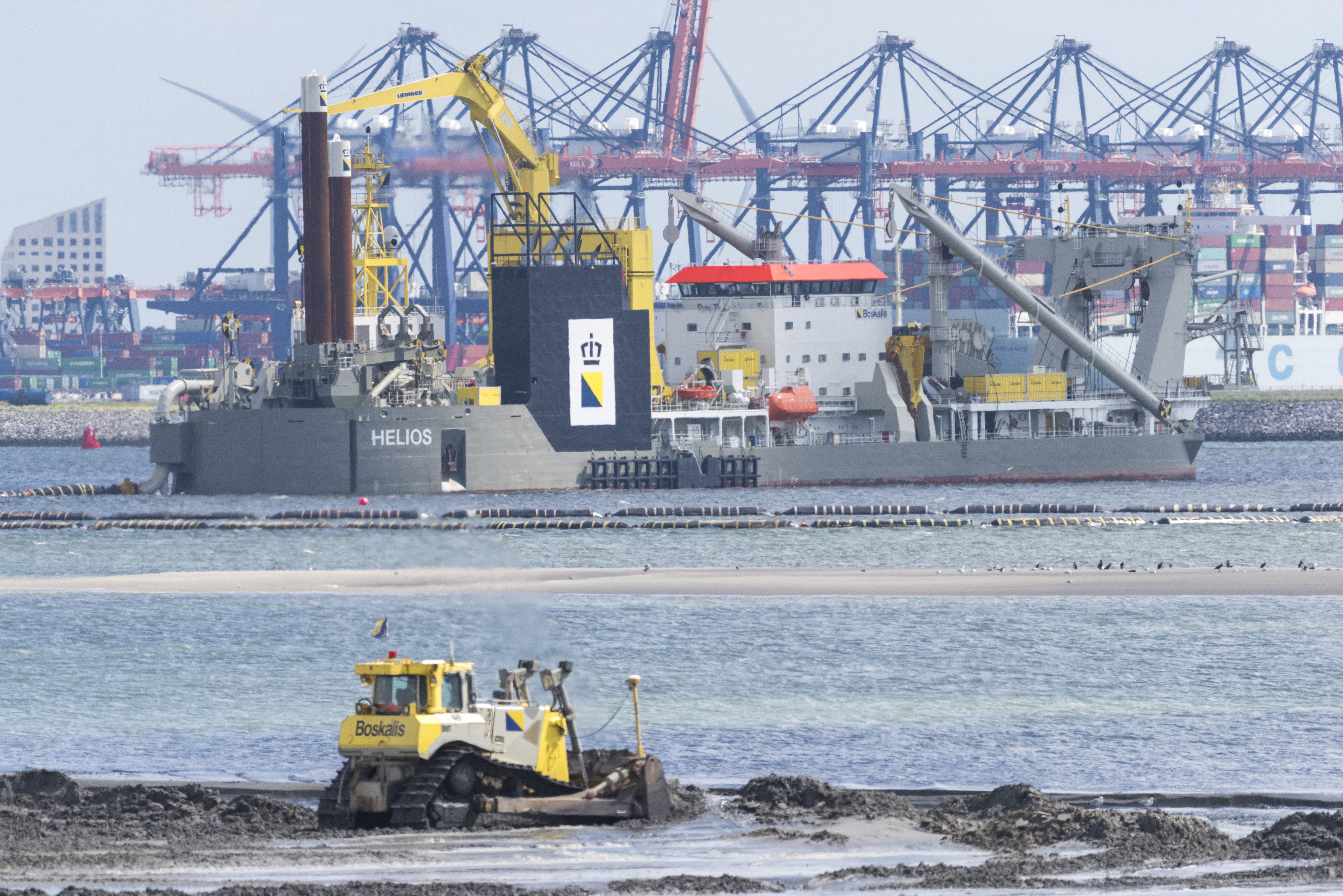
How Vitus powers BIM validation at the Port of Rotterdam
Port of Rotterdam's digital engineering team uses Vitus to check and validate BIM data across multiple projects simultaneously, ensuring that information received from contractors is complete, consistent and ready for asset management systems.
Multi-project BIM validation
Vitus enables the digital engineering team to check and validate BIM data across multiple live projects at once, without needing a BIM specialist for each individual review cycle.
Contractor data compliance checks
Incoming model data is verified against the port's Object Type Library requirements, ensuring every asset attribute is present, correctly structured and ready for operations.
Lifecycle-ready asset data
Data delivered through Vitus is validated to be trusted and reused across the full lifecycle of each asset, from contractor handover through to long-term infrastructure management.
What Port of Rotterdam learned, and what it means for your organization
Every harbor faces the same data gap
Contractors might deliver on schedule, but they rarely deliver structured, validated BIM data on the same schedule. Without a systematic check, that gap accumulates into a long-term liability for asset management teams.
The validation step cannot be manual forever
Reviewing BIM deliverables from dozens of contractors manually is neither scalable nor consistent. Rotterdam's approach with Vitus shows what a systematic, software-driven validation workflow looks like in practice.
Data quality is a strategic infrastructure investment
The benefits of data quality do not show until the asset needs maintenance. By the time a data gap hurts operations, closing it costs far more than preventing it at delivery.
Ready to validate your BIM data with the same confidence as Port of Rotterdam?
Vitus makes your BIM data accessible, updated and easy to act on, for everyone on the team, whether you're managing a handful of projects or hundreds of assets across a living infrastructure.
Talk to us